Trauma Scene Cleanup
Trauma scene cleanup after accidents, injuries and violent events.
See trauma scene cleanupGet blood, bodily fluids and contaminated materials removed after an accident or injury in a home, workplace, vehicle or shared space in Borough Park. Cleanup can begin after urgent care and any required scene release.
Accident and injury scene cleanup is professional cleanup of blood, bodily fluids and contaminated materials after someone is hurt in a home, workplace, vehicle or public space.
Before cleaning can start, emergency response and care for the injured person need to be complete. Any active police investigation must end with release of the scene. Cleanup technicians assess the main area and its surroundings, define the boundaries and match their approach to the surfaces present. The purpose is to clear away contamination rather than mask it.
Blood removal and disinfection are part of accident cleanup, along with odor work, hazardous waste preparation and sorting personal property. Remediation may be needed under flooring, carpet or finished wall surfaces. The scope can range from one room affected by a small injury to several areas involved in a trauma. Replacement of materials belongs to restoration, which follows completed decontamination.
Documentation for your insurance company, workplace record or property manager may include photos, waste records and scope details.
You are told what the cleanup involves, which materials might be removed and what affects cost before starting.
Crews use unmarked vehicles and maintain control of the work zone. The method supports privacy in shared buildings, commercial properties and homes.
You can help identify and organize important personal items if conditions allow. An item's location near the affected area alone does not mean it is thrown away.
Accident scene cleanup services are useful whenever blood or other bodily fluids reach a surface that cannot be safely cleaned with an ordinary household routine. Common situations include:
When an accident results in death, death cleanup starts only after the proper authority releases the scene. The work is completed with privacy and respect for loved ones and personal property.
More than the surface in view may be affected after a serious injury. A trauma cleanup includes inspecting joints, seams, layers under the floor and baseboards for contamination.
For a blood spill in a lobby, restroom, common hallway or sidewalk, restrict entry, complete careful blood spill cleanup and check surrounding areas for residue carried by shoes or wheels.
An injury can affect walkways, equipment and floors in offices, shops, warehouses or jobsites. The affected areas should stay closed until cleaning and disinfection are complete.
Do not begin cleanup before getting needed medical help. Keep anyone from contacting the affected area, then follow these steps to stay protected and preserve clear assessment information:
Call (888) 440-9227For trauma and accident cleanup, published guides list a per-job range of $1,500 to $5,000 for the work. The wider published span for a trauma scene runs from $500 to $8,000 per job. Neither range is a quote, and both are meant for planning. Actual pricing follows an assessment of fluid and blood volume, affected materials, room count and disposal requirements.
The figures shown are national ranges from published cost guides and are not based on an on-site visit. You learn what your property will cost after the on-site assessment and before any work begins.
Ask about cost: (888) 440-9227Coverage for accident scene cleanup is sometimes available, but it varies according to the incident, property, insurance policy and who bears responsibility for the place.
A homeowners or renters policy may cover sudden damage involving blood or bodily fluids. Check with your insurance company about coverage for removed materials, restoration and biohazard cleanup.
The New York State Office of Victim Services lists crime scene cleanup expenses among the compensation it can pay to crime victims. Insurance is usually checked first.
When safety permits, ask the adjuster what is needed prior to throwing materials away. The cleanup scope, waste records, photos and invoices can help insurance companies evaluate your loss.
Usually, the owner of a business or property makes arrangements for workplace cleaning services. Employers also need to follow the applicable OSHA requirements and their exposure plan for employees who might encounter blood.
A controlled order keeps contamination from spreading during the cleanup. Every scene has its own scope, yet the overall path remains the same: assessment, containment, disposal and a final inspection of the work.
Cleanup technicians identify the affected area, nearby traffic paths, surface types and any personal property involved. Visible conditions are recorded, and the proposed work is described.
The cleanup area is isolated from rooms that remain clean. Protective equipment is selected for the exposure, and technicians establish a route for transporting supplies and contained waste.
Bulk residue is removed with controlled methods. To prevent contaminant spread, the cleaning service works inward from cleaner boundaries toward the more heavily affected areas.
Carpet pad, unsealed wood, foam from upholstery and drywall may need to come out if deep saturation prevents full access and disinfection.
An EPA-registered disinfectant is applied only after the remaining surfaces have been cleaned. The surface stays wet for the full contact time stated on the product label.
Odor removal begins by finding and treating the source. Once affected material is gone, the room and lingering odor determine whether suitable ventilation or air cleaning equipment may be used.
Applicable waste disposal rules govern how crews seal used protective gear and removed material before transport. Records can support property files and insurance assistance.
A final check covers the work space and removed items, along with an explanation of restoration still required. Photos and records can help you move forward with repairs.

You can call anytime. You speak with an accident and injury scene cleanup specialist who outlines the process and schedules a start time with you.
Blood or bodily fluid exposure can put you in contact with bloodborne pathogens, while affected materials may still contain contamination beneath a clean-looking surface.
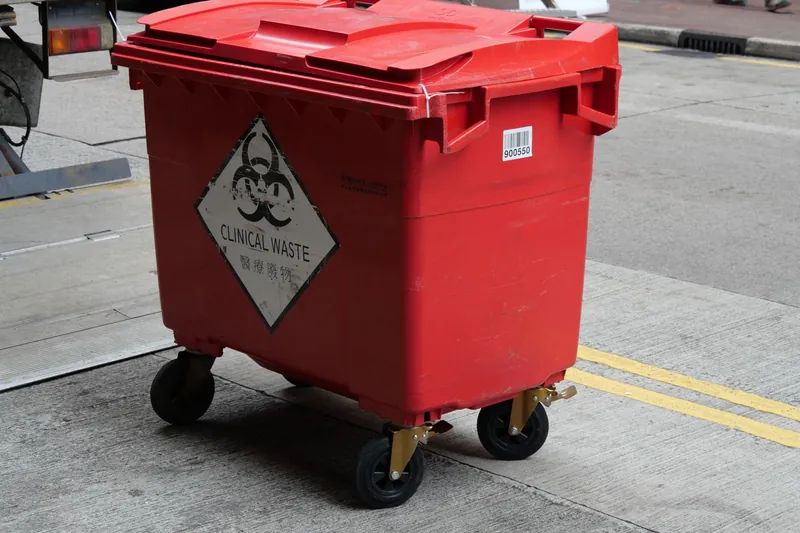
Hazardous waste may include absorbent materials, used cleanup supplies and disposable protective gear. These materials require secure packaging and disposal that follows state rules.
Fluid may soak through carpet to its pad, settle in furniture seams or reach gaps along baseboards. Even after wiping the upper surface, contaminated materials can remain below.
Cleaning the place where someone was seriously hurt can be upsetting. A professional cleanup team lets family members, coworkers and property owners step away from the trauma scene.
Can you clean it yourself? Several fresh drops on a sound, non-porous material may be manageable if you use disposable gloves and keep an EPA-registered disinfectant wet for its entire labeled contact time. Arrange professional cleanup if the entire affected area is not visible, a sharp is present, or blood entered upholstery, carpet, wall cavities or unfinished wood.
What can stay depends on material and access. Cleaning and disinfection often work for reachable, non-porous items, while porous materials may require removal when fluid has entered spaces that cannot be reached.
The time needed is set by the size of the affected area, the materials involved and whether contamination entered hidden layers. A clear schedule should follow the on-site assessment rather than a promise made before the scene is seen.
| Scene | Typical time on site |
|---|---|
| Small surface accident | Timing is set after the surface and spill edges are checked |
| One room with porous materials | Material removal, disinfecting and preparing waste determine the timing |
| A vehicle, several indoor spaces or building layers | Time varies according to access, material removal and completion checks |
Odor removal begins by finding and removing the source. Fragrance does not correct contamination under carpet, inside upholstery or behind trim. If an odor remains after surface cleaning, the cleanup team checks nearby porous materials and hidden spaces before treating the air.
After controlling the source, the air may be addressed with ventilation and HEPA scrubbing. Suitable equipment depends on the area and the people who might use it. A proper explanation covers which materials may stay, which must come out and when restoration can begin for the affected areas.
The full accident and injury scene cleanup guide covers what is cleaned or removed, odor and air quality work, and the rules that apply in New York and Kings County.
Read the full accident and injury scene cleanup guideLocal housing, population and access details can shape containment, access and cleanup planning.
At roughly 3.4 miles away, Kings County Hospital Center is the closest listed hospital for urgent care after a cut, puncture, or exposure.
Nearby communities include Sunset Park, Dyker Heights, and Parkville, useful geographic references when explaining a property location to a cleanup crew.
Neighborhood level directions help narrow the location, but crews still need entrance details before bringing containment and cleaning equipment inside.
You can ask about cleanup in nearby communities and ZIP codes during the call.
Trauma scene cleanup after accidents, injuries and violent events.
See trauma scene cleanup
Carpet, solid floors, walls and furnishings receive blood cleanup that includes safe disposal.
See blood cleanup
Blood spill cleanup for fresh or dried spills of any size.
See blood spill cleanup
Cleanup controls the risk of blood exposure involving HIV, hepatitis C and hepatitis B.
See bloodborne pathogen cleanup
Bodily fluid cleanup and disinfection for homes, care settings and businesses.
See bodily fluid cleanup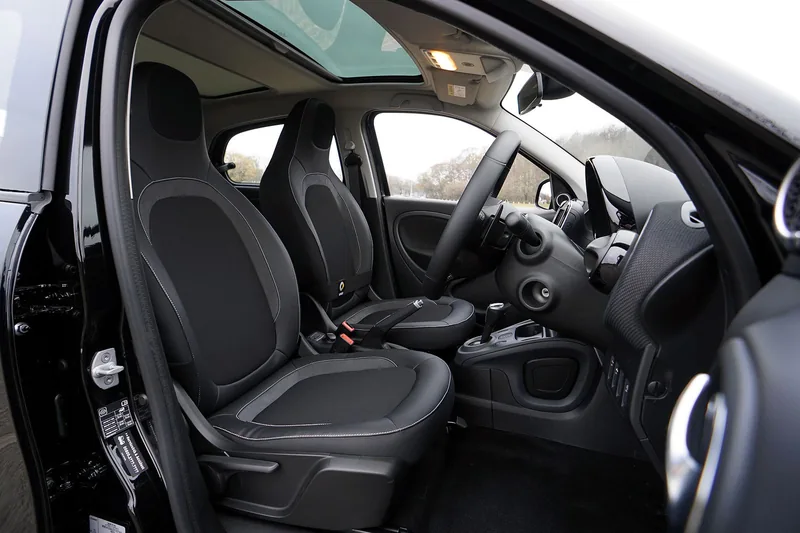
Biohazard cleanup covers vehicles including cars, trucks, recreational vehicles and boats.
See vehicle biohazard cleanup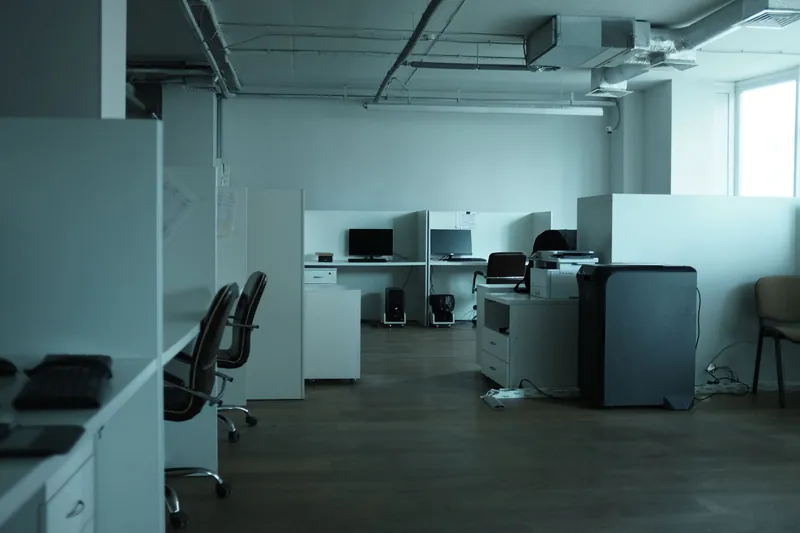
Workplace biohazard cleanup addresses office injuries and exposure incidents at work.
See office and workplace biohazard cleanup
Pickup and disposal of biohazard waste use containers that are sealed and labeled.
See biohazard waste disposalPublic safety, rescue work and medical care are the focus of emergency personnel. Property biohazard cleanup generally falls outside their duties. Once emergency work is complete, the cleaning service is arranged by whoever is responsible for the public space, vehicle, workplace or home, after law enforcement releases the scene if required.
The medical examiner or medical staff cares for the individual, while cleanup of the property is a different task. After the scene is released, the property owner, employer, vehicle owner or another responsible party arranges death cleanup. Cleanup workers carefully remove contaminated materials and blood, with respect for the space and personal property.
It is possible. Coverage depends on the event, the location, the policy and the party responsible for the property. Tell your insurance company about the accident, then ask whether biohazard cleanup, removed items and restoration have coverage. Save your claim number along with the photos, waste records and invoices the adjuster asks for.
Remain away from the restricted work zone. Leaving the entire property may depend on where the accident occurred, how gear and sealed waste will move, and which cleaning methods are used. The cleanup team should explain access limits before work begins and update you when the area can be used again.
Carpet may be cleaned only when contamination is limited and every affected layer can be reached. When blood penetrates the pad or subfloor, workers generally remove the affected padding and carpet to access, clean and disinfect the surface underneath. How far fluid penetrated and the kind of material guide the final decision.
Published pricing resources place trauma and accident cleanup from $1,500 to $5,000, and show a wider trauma scene range of $500 to $8,000. Waste disposal, affected materials, the number of rooms and amount of blood or other fluids determine the actual price following assessment.
Respectful, discreet accident and injury scene cleanup is available 24 hours a day, and crews arrive in unmarked vehicles.